

Why Custom Furniture in Durham Is the Secret to Personalized Luxury Interiors
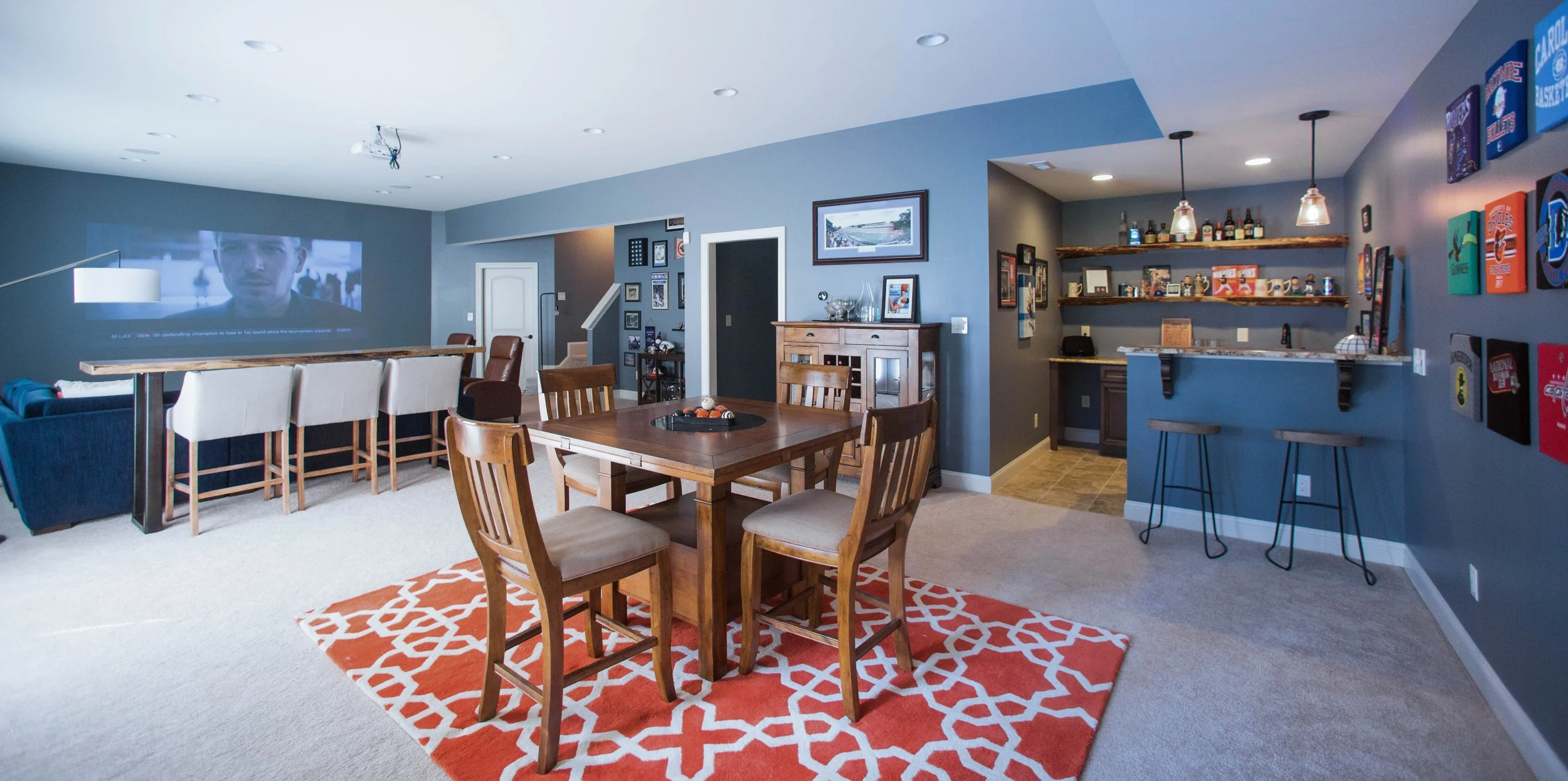
Luxury interior design is evolving. Instead of being defined by excess, trends, or uniform finishes, luxury today is increasingly measured by how well a space supports the people who live in it. In Durham and across Central North Carolina, homeowners are seeking interiors that feel intentional, expressive, and functional. At the center of this shift is custom furniture, a design approach that prioritizes personalization, performance, and long-term value.
When thoughtfully planned, custom furniture becomes more than a visual statement. It supports daily routines, maximizes space, and creates harmony between architecture and lifestyle. Guided by professionals such as MiK Creative Designs, custom furniture is integrated into interiors as part of a cohesive design strategy rather than a decorative afterthought.
This article explores why custom furniture plays a vital role in personalized luxury interiors, how it fits into professional interior design services, and why Durham homeowners increasingly value tailored design solutions.
Understanding Custom Furniture in Contemporary Interior Design
Custom furniture refers to pieces that are designed and built specifically for a particular space, function, or user. Unlike mass-produced furniture, these pieces are not restricted by standard sizes or materials. Instead, they respond directly to architectural constraints, lifestyle needs, and design intent.
Interior designers often recommend custom furniture when standard solutions fail to meet functional or spatial requirements. This may include irregular room dimensions, multifunctional living areas, or accessibility considerations. By designing furniture alongside layouts and circulation plans, interior designers ensure that each piece contributes meaningfully to the overall environment.
In Durham, where homes range from historic properties to modern builds, custom furniture allows interiors to honor architectural character while supporting contemporary living.
Why Custom Furniture Is Especially Effective in Durham Homes
Durham’s residential architecture presents unique challenges. Older homes often feature compact rooms, alcoves, and nonstandard proportions, while newer homes emphasize open layouts that require thoughtful spatial definition.
Custom furniture enables interior designers to respond to these conditions with precision and purpose.
Adapting to Architectural Constraints
Custom furniture can be designed to fit around fireplaces, sloped ceilings, bay windows, or narrow corridors. Instead of forcing generic pieces into awkward layouts, designers tailor furniture to work with the architecture.
This approach helps homeowners maximize their space without sacrificing comfort or visual balance.
Supporting Modern Lifestyles
Homes today must accommodate work, rest, entertaining, and long-term living. Custom furniture supports this flexibility by integrating storage, technology, and ergonomic considerations into a single solution.
When combined with professional interior design services, custom furniture becomes a practical tool for improving daily life rather than simply enhancing aesthetics.
Creating Visual Cohesion
Scale and proportion are critical to interior harmony. Custom furniture allows designers to adjust dimensions precisely so that furniture relates appropriately to room size, ceiling height, and circulation paths.
This level of control results in interiors that feel cohesive and intentional rather than cluttered or disjointed.
The Role of Interior Designers in Custom Furniture Planning
Custom furniture is most effective when developed as part of a broader design strategy. This is where professional interior designers add significant value.
Interior designers consider how furniture interacts with architecture, lighting, movement, and human behavior. Their work extends beyond aesthetics to include technical planning and functional optimization.
Designing With Purpose
Every successful interior begins with intention. Custom furniture is designed to serve a specific role, whether that is improving storage efficiency, supporting accessibility, or defining zones within an open-plan layout.
Designing with purpose ensures that furniture contributes to comfort and usability rather than becoming visual noise.
Maximizing Function in Residential Interiors
In residential settings, custom furniture often addresses multiple needs at once. Built-in seating, tailored shelving, and multifunctional elements help homeowners save time and stress by reducing clutter and simplifying routines.
This approach is especially valuable in thoughtfully planned residential interior design projects where space must work harder without feeling crowded.
Streamlining the Design Process
Working with an interior designer reduces uncertainty. Designers coordinate measurements, specifications, fabrication, and installation, helping homeowners avoid mismatched pieces or costly revisions.
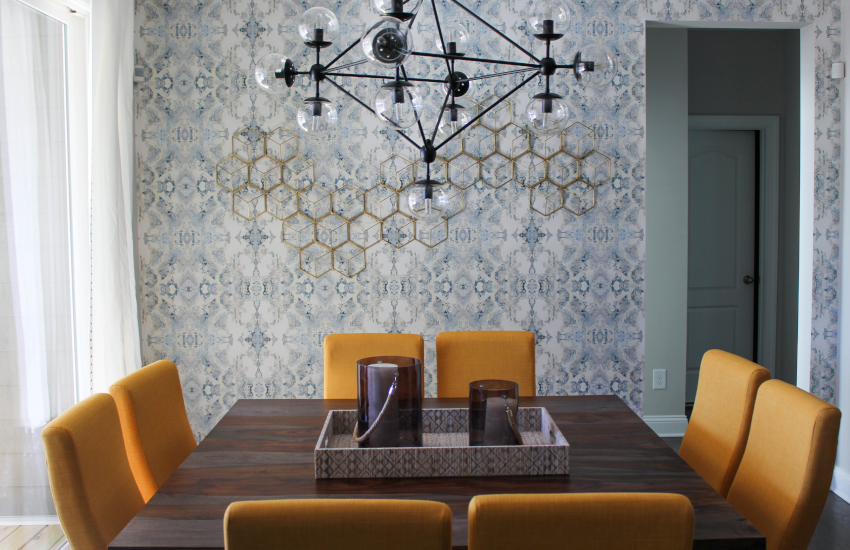
Expressing Personal Style Through Custom Furniture
One of the defining features of personalized luxury is authenticity. Custom furniture allows homeowners to express their style without relying on trends or mass-market limitations.
Material Selection
Custom furniture offers flexibility in choosing materials that align with performance needs and personal values. Designers guide these decisions to ensure materials support durability, comfort, and visual consistency.
Thoughtful Use of Color and Texture
Color and texture influence how a space feels. Custom furniture allows designers to introduce these elements intentionally, reinforcing the overall design narrative without overwhelming the space.
Precision in Scale and Proportion
Furniture that is poorly scaled can disrupt the balance of a room. Custom pieces are designed to fit their environment exactly, supporting visual comfort and spatial flow.
How Interior Design Firms Integrate Custom Furniture Holistically
An experienced interior design firm approaches custom furniture as one component of a larger, coordinated process rather than a standalone feature.
Discovery and Planning
Design begins with understanding how the client lives and what the space must support. Interior designers assess lifestyle needs, accessibility considerations, and long-term goals.
Concept Development
Custom furniture is developed alongside layouts, lighting plans, and finishes. This ensures that furniture enhances circulation, supports usability, and aligns with the architectural framework.
Execution and Coordination
Interior designers manage the transition from concept to completion, collaborating with fabricators and contractors to maintain quality and consistency. This holistic approach ensures that custom furniture integrates seamlessly into the final space.
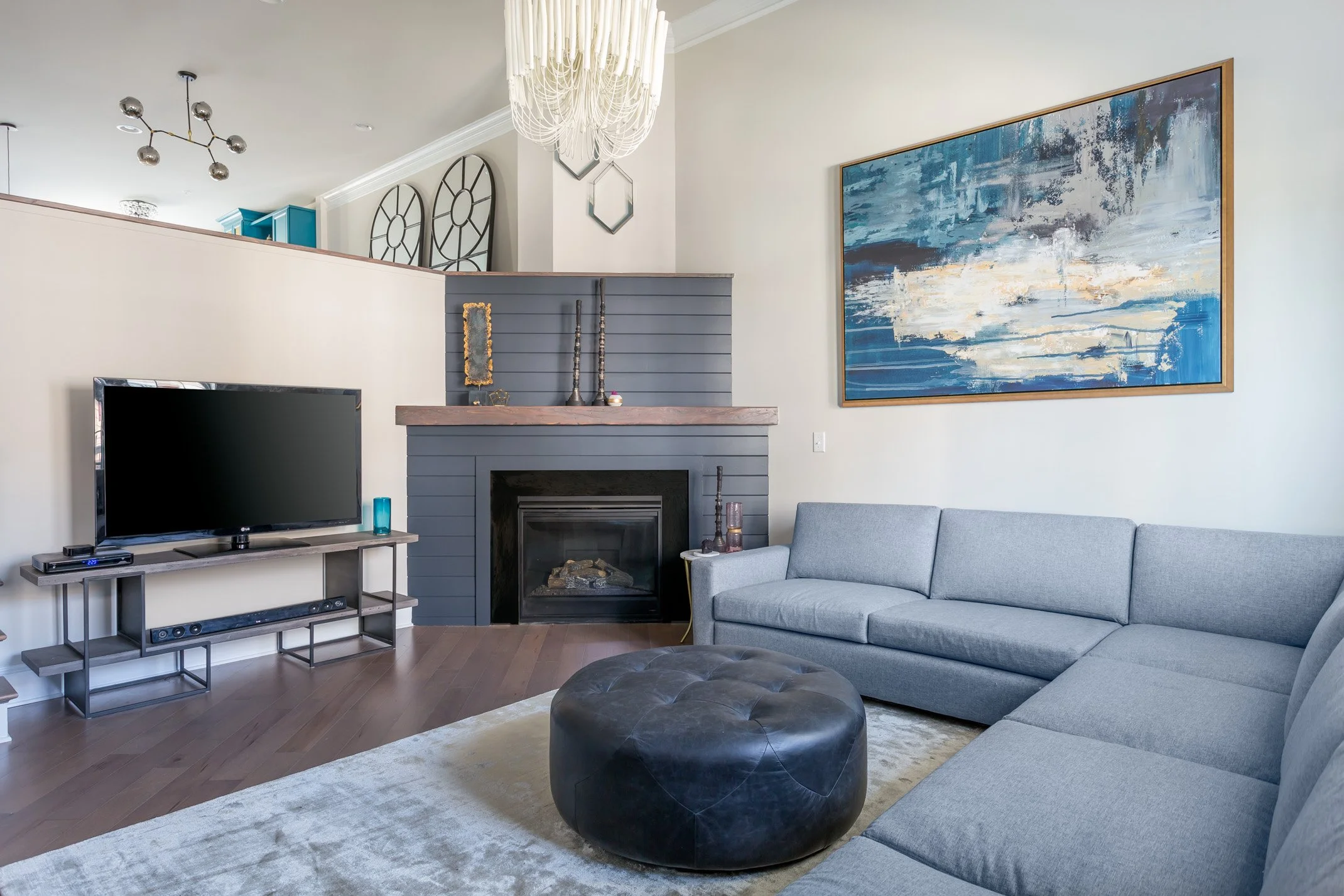
Increasing Property Value Through Custom Furniture
Luxury interiors are not only visually appealing; they also perform well over time. Custom furniture contributes to home value in several ways.
Long-Term Durability
Custom furniture is typically constructed using higher-quality materials and craftsmanship than mass-produced alternatives, resulting in greater longevity.
Built-In Efficiency
Integrated storage, seating, and work surfaces add functional square footage. These features are especially appealing in urban and suburban homes.
Timeless Design
Because custom furniture is designed around architecture and lifestyle rather than trends, it tends to age gracefully, supporting long-term value.
Interior designers often emphasize that luxury is defined by intention, not excess.
The Importance of Working With Certified Interior Designers
Credentials matter in complex projects. Certified interior designers bring technical expertise, regulatory knowledge, and professional accountability to the design process.
Interior designers consider ergonomics, circulation, and safety alongside aesthetics. This is particularly important when custom furniture interacts with architectural elements or accessibility requirements.
Custom Furniture and Inclusive Design
Inclusive design is an essential component of high-quality interiors. Custom furniture allows designers to address diverse physical needs without compromising visual appeal.
Examples include adjustable-height surfaces, integrated seating with proper support, and storage designed for ease of access. By designing furniture around real human experience, interior designers create environments that are adaptable and welcoming.
Durham’s Growing Demand for Custom Furniture
Durham’s design culture reflects a broader shift toward intentional living. Homeowners increasingly value interiors that feel personal, functional, and reflective of their identity.
As more homeowners recognize the benefits of working with experienced interior designers, custom furniture continues to define personalized luxury interiors throughout the region.
Frequently Asked Questions
-
Custom furniture is designed specifically for a space and user, offering greater flexibility in size, materials, and function.
-
No. Custom furniture is often most effective in smaller or complex spaces where standard furniture cannot maximize functionality.
-
Interior designers develop concepts and specifications, then collaborate with skilled fabricators to create the pieces.
-
While initial costs may be higher, custom furniture often delivers better durability, usability, and long-term value.
-
Custom furniture can be designed to accommodate specific physical needs while maintaining comfort and visual harmony.
Conclusion
Custom furniture plays a defining role in creating interiors that feel both luxurious and deeply personal. In Durham, where architectural diversity and modern lifestyles intersect, custom solutions allow homes to function efficiently while expressing individuality.
When guided by experienced interior designers and supported by professional interior design services, custom furniture becomes a strategic investment in comfort, usability, and long-term value.
If you are considering tailored design solutions, a thoughtful contact us consultation can help clarify goals, scope, and next steps toward creating an interior that truly works for you.
